The Net Zero Healthcare Tool
With Net Zero Healthcare Impact, we assist hospitals, medical departments and healthcare institutions with their move towards net zero by focusing on ecological, full ESG (Environmental, Social and Governance) and economic parameters.
We believe all progress starts with monitoring the current impact of healthcare.
Our Method
Phase 1 - Sustainability report
Understand your hospital’s true impact. We provide a comprehensive analysis across 10 ecological domains (including a full carbon scoping) or 30 ESG domains. Beyond numbers, we assess your strategy, communication, and lean practices. We help you stay ahead of regulations and enforcing your resilience.
We provide a comprehensive report aligned with EFRAG standards (voluntary CSRD framework), that transforms your hospital’s ESG or ecological data into strategic value. Covering 10 ecological domains or 30 full ESG domains, our analysis ensures your data and visualizations can be included in your annual report.
Phase 2 - Roadmap
Our roadmap outlines future actions supported by KPI's and targets. Together with doctors, nurses and hospital employees, we identify and select the most impactful actions.
Cost savings, positive HR impact through reinforcing your reputation as a sustainable employer, and increased strategic autonomy for your organization are the key returns of investments from our roadmap.
Phase 3 - Implementation
We assist implementing and monitoring concrete actions such reducing single-use items, minimizing pharmaceutical spillage, cutting food waste, and improving stock management efficiency. Our knowledge in business case analytics helps you select the right solutions for maximum impact.
We focus on hospital-wide communication to create a culture of sustainability. In procurement, we leverage your market power to influence suppliers and reduce Scope 3 emissions, turning purchasing decisions into a strategic sustainability tool.
Phase 4 - (Bi)annual sustainability report
Our dashboard makes it easy to monitor and track your ecological and ESG performance. With clear visualizations and actionable insights, you can demonstrate progress and strengthen transparency in your annual reports.
For hospitals, we recommend a biannual
comprehensive analysis and carbon accounting across the 10 ecological domains,
ensuring a strong foundation for your sustainability strategy.
Which domains are included in the analysis?
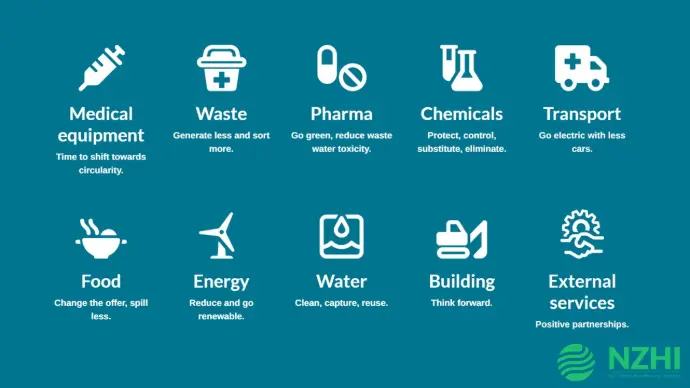
Ecological
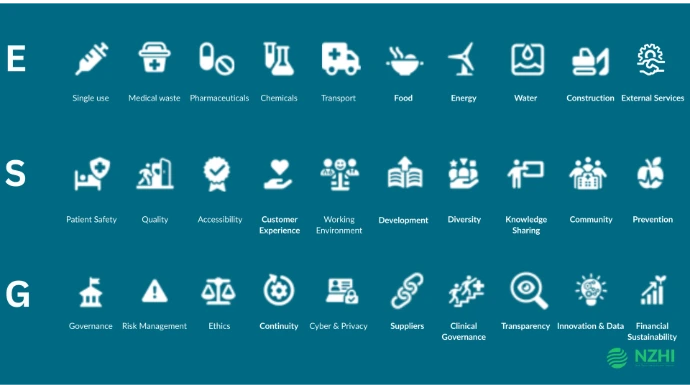
Full ESG
Our unique value
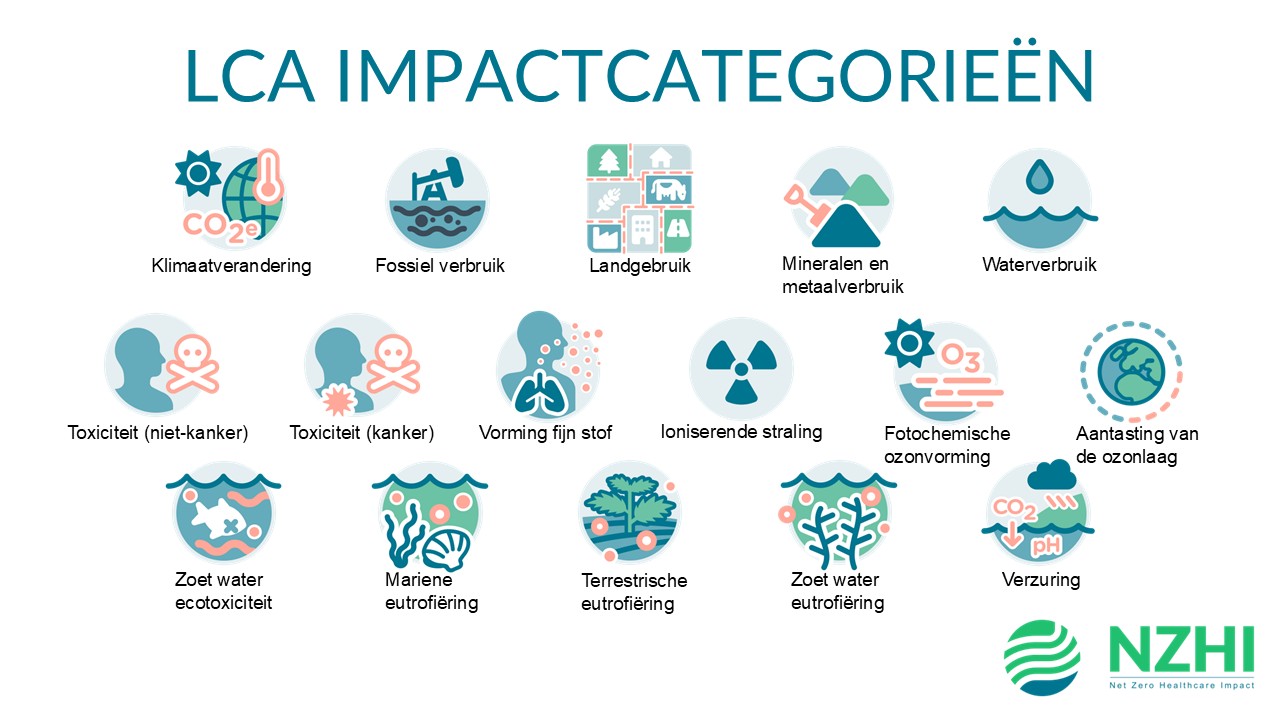
While CO₂ reduction remains the most urgent challenge, we take a broader ecological approach. Our methodology is grounded in our science-based LCA database specifically developed for medical goods, pharmaceuticals, and clinical procedures. This enables full product-level Life Cycle Assessments across multiple environmental impact categories, ensuring solutions do not simply shift the burden from one problem to another.
Beyond CO₂ and biodiversity, we combine quantitative and qualitative insights and measure tangible actions. For food waste, we use an AI-enabled scale with camera recognition and combine this with menu analysis to track what is actually being thrown away. For pharmaceuticals, we monitor waste through digital data and count returns. We also engage with department heads and hospital sustainability champions to map every ongoing initiative in your hospital. In addition, we include social and governance aspects such as an assessment of the resilience of your supply chains or critical processes, to give a complete and practical ESG picture of your organisation.
We believe in data-driven sustainability
At NZHI, we believe that data is the foundation for action, because to measure is to know. Beyond our science-based LCA database, we collaborate with partners and leverage advanced tools to deliver insights across key domains.
Data turns ambition into action. With the right insights, we help healthcare organizations make measurable progress toward sustainability.
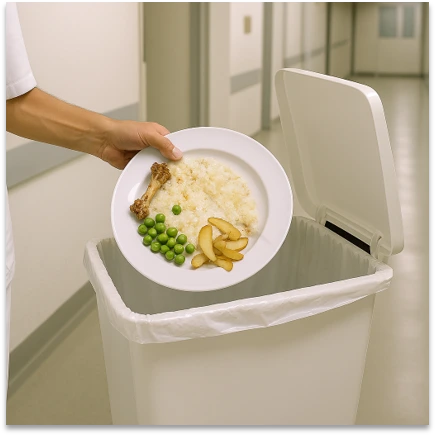
Food waste
Using a smart scale combined with AI-powered image recognition, we measure exactly how much food is wasted, which types are most frequently discarded, and what patients prefer. By analysing this data, we help hospitals take concrete steps to reduce food waste and improve efficiency.

Waste management & circularity
As Veolia shares our commitment to sustainability, we have established a strategic partnership to help hospitals transition toward a circular model and achieve measurable CO₂ reductions. Together, we offer two approaches: a comprehensive sustainability analysis or a circularity-focused analysis that targets four key domains, specifically medical material procurement, waste, water, and energy.
In this collaboration, NZHI concentrates on procurement and usage, while Veolia brings its expertise in water, energy, and waste processing. Our joint implementation trajectory unfolds in several phases, culminating in a Roadmap that covers 25 products and processes over an 18-month period, with initiatives renewed every two years. Through close cooperation with Veolia, we ensure optimized waste streams and deliver tangible, measurable impact.
Pharmaceuticals and chemicals
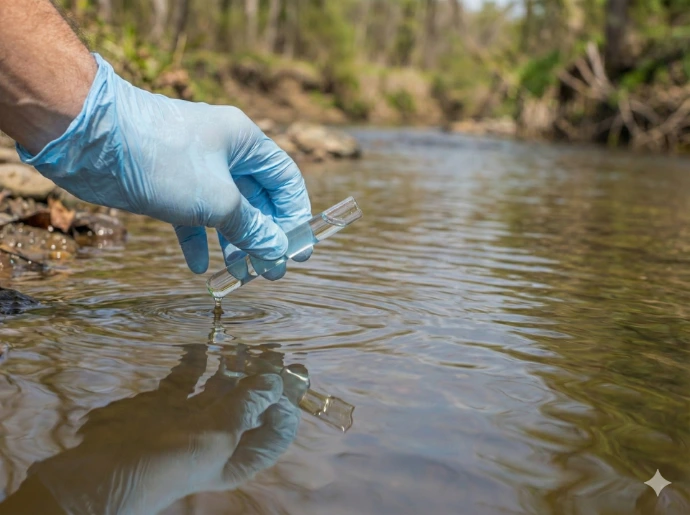
For pharmaceuticals and chemicals, we go beyond calculating the total carbon footprint. We also assess medicine spoilage in wastewater, including substances and chemicals listed on the high-priority watchlist. To achieve this, we use a model developed within the Green Deal Sustainable Healthcare (Flanders). If preferred, we can also conduct real sample measurements for maximum accuracy.
Are you ready to start your journey toward net zero healthcare?
We are here to support your hospital in this important transition. Contact us for more information.
For more information about our solutions, click here.